
There’s a topic that sports usually grimaces at and pretends doesn’t exist.
And yet it’s right there. In the locker room, in Stories, in DMs, in conversations about money.
It’s OnlyFans.
People argue about it as if it were about the morality of humanity, but in practice it’s simpler and harsher: it’s a platform where closeness is monetized more directly than any endorsement deal. And athletes go there not because they “suddenly lost their minds,” but because for many of them a career is built in a strange way: the risks are huge, stability is an illusion, and money often runs out faster than a knee can heal.
Why OnlyFans Got So Big (and Why It Matters for Sports)
OnlyFans has a phenomenal success mechanism: the platform barely needs to explain itself—creators promote it themselves because it benefits them. The cut is straightforward: 20% goes to the platform, 80% stays with the creator. And then the part sports understands perfectly begins: whoever can build an audience wins.
The numbers people usually cite sound almost indecent:
- in 2020, the platform had around 85 million users and 1.6 million creators;
- by 2023, it was already 300+ million users and 4 million creators;
- creators have been paid out more than $20 billion in total.
That’s where the mythology grows: “you join—and you become a millionaire.” But this mythology is dangerous: it hides the reality that money is distributed extremely unevenly.
The most common trigger isn’t a desire to shock—it’s a desire to survive or to restart.
An athlete has three vulnerabilities that don’t feel as sharp in a “normal job”:
- a short career (you can’t “save up and wait out a couple of years”);
- injuries (at any moment you can be cut off from income);
- contracts that don’t save you (especially at mid levels, where you’re technically a pro but still don’t have enough money).
And this is where OnlyFans appears—with a brutal but honest offer: “You have an audience? Monetize it directly.”
The Stories That Turn the Platform into a Legend
The platform is good at generating headlines that then travel from one outlet to another and create the effect of “there’s a gold mine over there.”
Paige VanZant (MMA) burst onto the platform with a line that became an industry meme: in a single day on OnlyFans, she allegedly earned more than in her entire fighting career. What matters there isn’t even the exact amount—it’s the idea: sports may not feed even those considered stars.
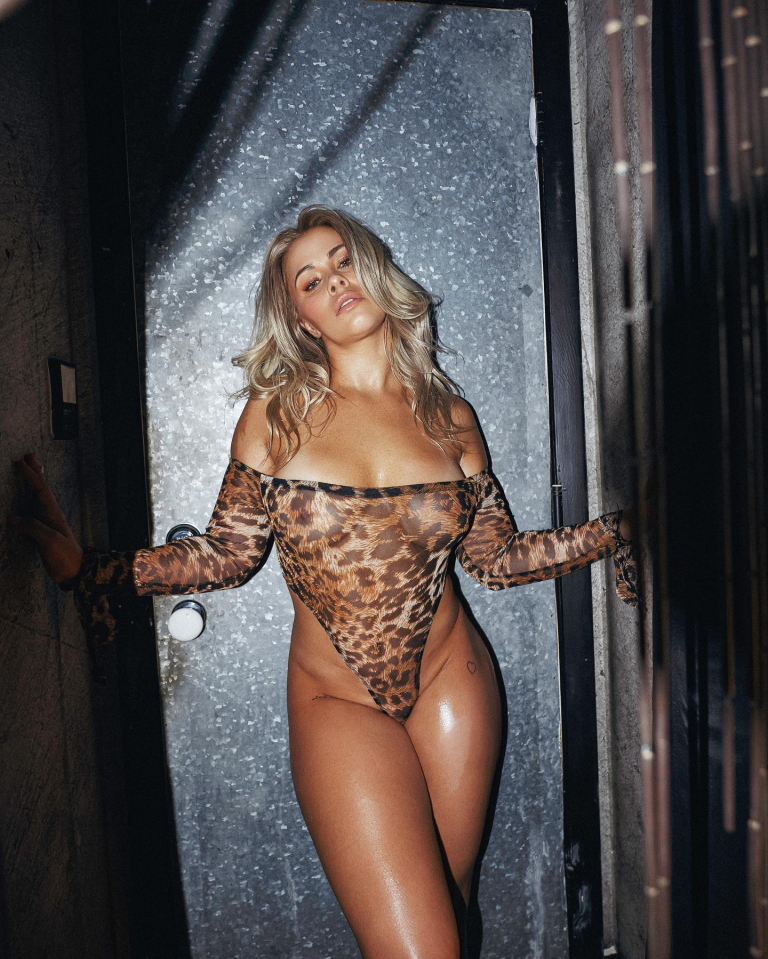
Liz Cambage (women’s basketball) explained her move to the platform roughly like this: basketball is part of her life, but not all of it. And by estimates, her annual income on OF ended up being several times higher than in her best seasons in the league.

Keyla Alves (volleyball) said she can post content that isn’t the most explicit and still earn on digital platforms many times more than in sports—and that becomes her “salary.”

Plus there are examples from tennis where athletes openly say: a few months on the platform brought more than years of tournament prize money. And yes, it sounds like a hit to the romantic picture of “sports = wealth,” but sometimes the truth is exactly that.
The Reality Fans Don’t Like: Only a Few Become Millionaires
This is where the adult part of the conversation starts.
Yes, there are stories about “$1 million in a day,” but they function as a display window. At scale, income distribution is brutal: the top percentages take the lion’s share of the money, and most creators earn amounts on the level of “a couple hundred dollars.”
And still, even that “couple hundred” can be critical for an athlete:
- pay for physical therapy,
- cover flights,
- buy equipment,
- simply not fall out of the “I can keep training” mode.
That’s why for many, OnlyFans isn’t a “new career”—it’s a supportive cushion.
There’s a specific type of story where the platform isn’t about hype, but about necessity.
- An athlete loses a scholarship/funding—and looks for alternative income to keep preparing.
- A fighter is sidelined by an injury—and suddenly realizes that a “pause” in sport equals a “pause” in pay.
- A player gets pushed out of a club/league, their reputation takes a hit—and they try to monetize what they still have: visibility.
It’s not pretty, but it’s honest: the platform gives money where sports sometimes give only talk like “hang in there, it’ll get better later.”
OnlyFans Isn’t Only 18+. And That’s Exactly Why Sports Show Up There
The most simplified (and already outdated) idea is: “OnlyFans = porn.”
Yes, there’s a lot of adult content there, and that’s part of reality. But the platform has long tried to show it’s broader: workouts, behind-the-scenes, nutrition, lifestyle, communication with fans.
That’s why you see:
- fighters who post training and everyday life,
- footballers who show “the life of a professional,”
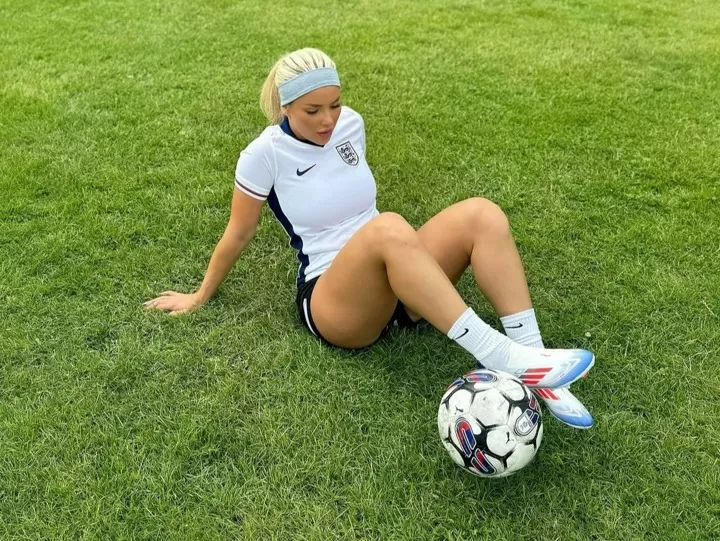
- tennis players who join as ambassadors and make content with no erotica at all (sometimes even with a free subscription).
For sports, this is logical: athletes are, by nature, ideal “behind-the-scenes creators.” And fans have long wanted not only the match, but also “how it works.”
But the Ethical Debate Doesn’t Go Away: Money Where People Hurt
OnlyFans runs on a very specific model: paid closeness. Sometimes it really is just “exclusive content.” And sometimes it’s the feeling of “I have access to a person.”
And this is where two big problems begin:
Stigma and Reputational Risks
For some federations and leagues, the attitude is as simple as it gets: “got involved—expect sanctions.” Even if what you post isn’t porn but training and everyday content, the platform’s brand itself can be a trigger. Hence the stories where athletes are asked to remove a patch/partnership—or are suspended altogether.
The Psychological Cost
When you sell “access to yourself” for a long time, it becomes very easy to lose the line between being a person and being a product. In these stories, psychologists usually talk about burnout, loneliness, and the feeling that you’re perceived as an object—especially if the audience is toxic.
And these aren’t “scare stories”: it’s a typical side effect wherever money is tied to attention and reactions.
If you strip away the emotions, the fact remains: there have been investigations and questions around OnlyFans about moderation, safety, and illegal content. The platform publicly says it cooperates with law enforcement and removes prohibited content when discovered, but the reputational shadow still lingers.
And sports are no exception: athletes are public figures, which means:
- a higher risk of leaks,
- a higher risk of blackmail,
- a higher chance that a personal story becomes a public drama.
Why This Will Only Grow
Because three trends collided:
- Sports became a media profession. Even mid-level athletes now have to know how to be a “personal brand.”
- Money in sports is distributed unfairly. The top swims in it; the middle and the bottom often just survive.
- The subscription economy won. People are used to paying “for access”: to a show, to music, to a blogger—now also to an athlete.
OnlyFans simply ended up at the point where these trends intersected most loudly. For sports, OnlyFans is neither “shame” nor “humanity’s salvation.” It’s a tool. Sometimes dirty. Sometimes honest. Sometimes the only one.
And the main question here isn’t even “allowed/not allowed,” but another one:
why does an athlete who risks their health and career end up in a situation where a subscription can pay more steadily than their sport?